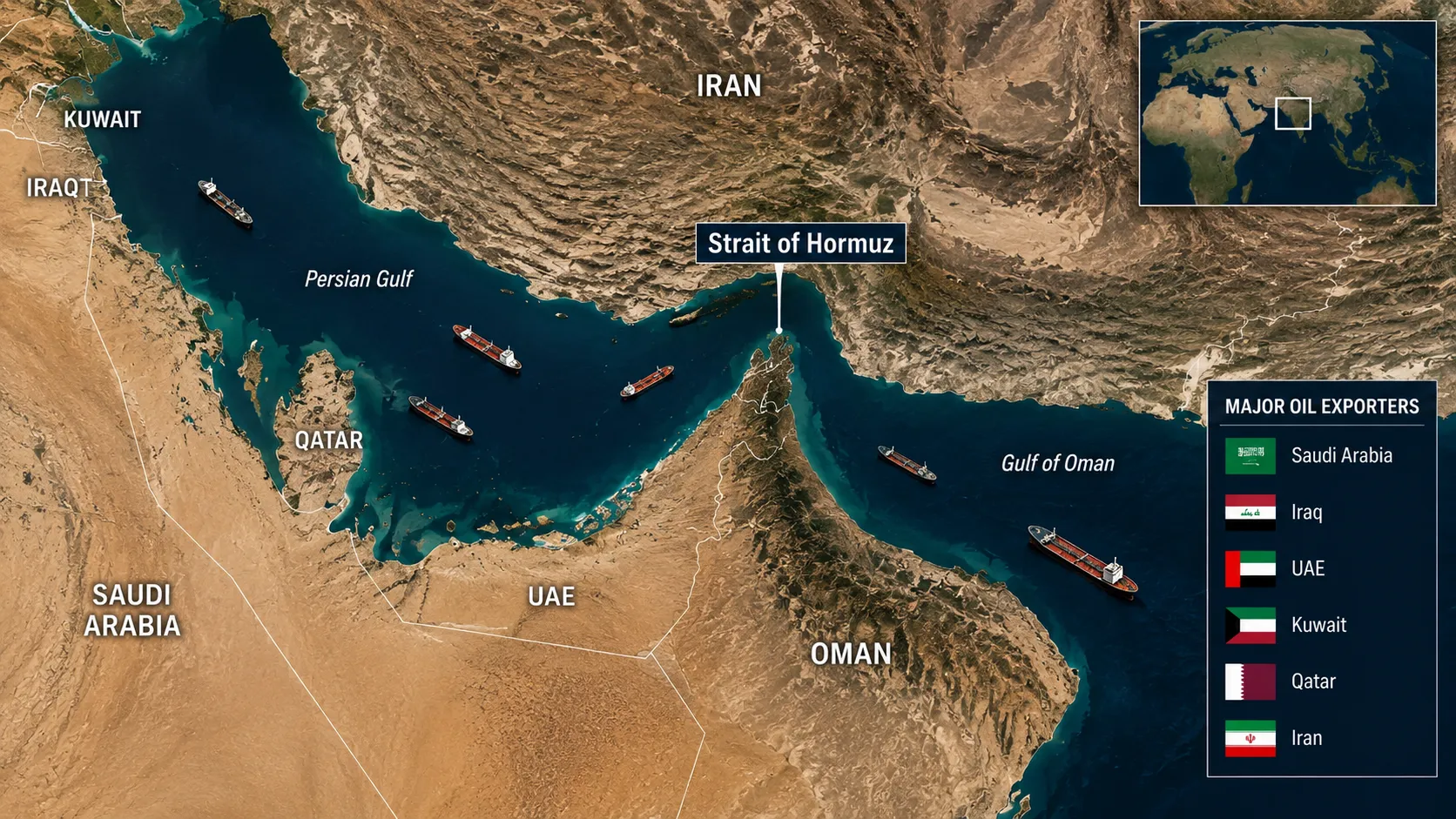
The strait of hormuz , positioned between Iran and Oman, is a vital global maritime chokepoint connecting the Persian Gulf to the Arabian Sea. It handles approximately one-quarter of all global seaborne oil trade alongside substantial liquefied natural gas exports. In February 2026, severe military and economic tensions erupted involving Iran, the United States, and Israel, turning the region into a volatile international crisis. By mid-August 2026, unresolved disputes over maritime control with Iran asserting authority over the route and the U.S. challenging restrictions continued to threaten global shipping lanes
The ramifications of this crisis extend far beyond the Middle East. Initial fears of supply interruptions immediately triggered oil market uncertainty, driving up global energy prices. Commercial shipping fleets rerouting around hazardous waters face longer transit times, increased fuel consumption, and surging insurance premiums, which collectively disrupt global supply chains for consumer goods and raw materials. Economically, higher transportation and energy costs create strong global inflationary pressures. Institutions like the Bank for International Settlements highlight that prolonged shipping reductions risk severe drops in industrial production and sustained price hikes.
Energy dependent Asian nations like China, Japan, South Korea, and India are particularly vulnerable. For India, a major crude oil importer, sustained disruptions risk inflating the national import bill, straining trade balances, and raising domestic fuel, logistics, and consumer goods costs. Beyond local economic impacts, the crisis underscores the tight interplay between military strategy and energy security, driving geopolitical friction among major global powers.