Most people know zombies from movies and video games as scary monsters chasing humans. But the original story comes from the island nation of Haiti in the Caribbean. In real Haitian culture, zombies are not flesh eating monsters from an apocalypse. Instead, the concept is tied to history, folklore, and local spiritual beliefs known as Vodou.
The belief started hundreds of years ago during the painful period of slavery. Enslaved people feared losing control of their own bodies and minds even after death. Over time, this fear grew into local legends about sorcerers, called Bokors, who could allegedly control human beings.
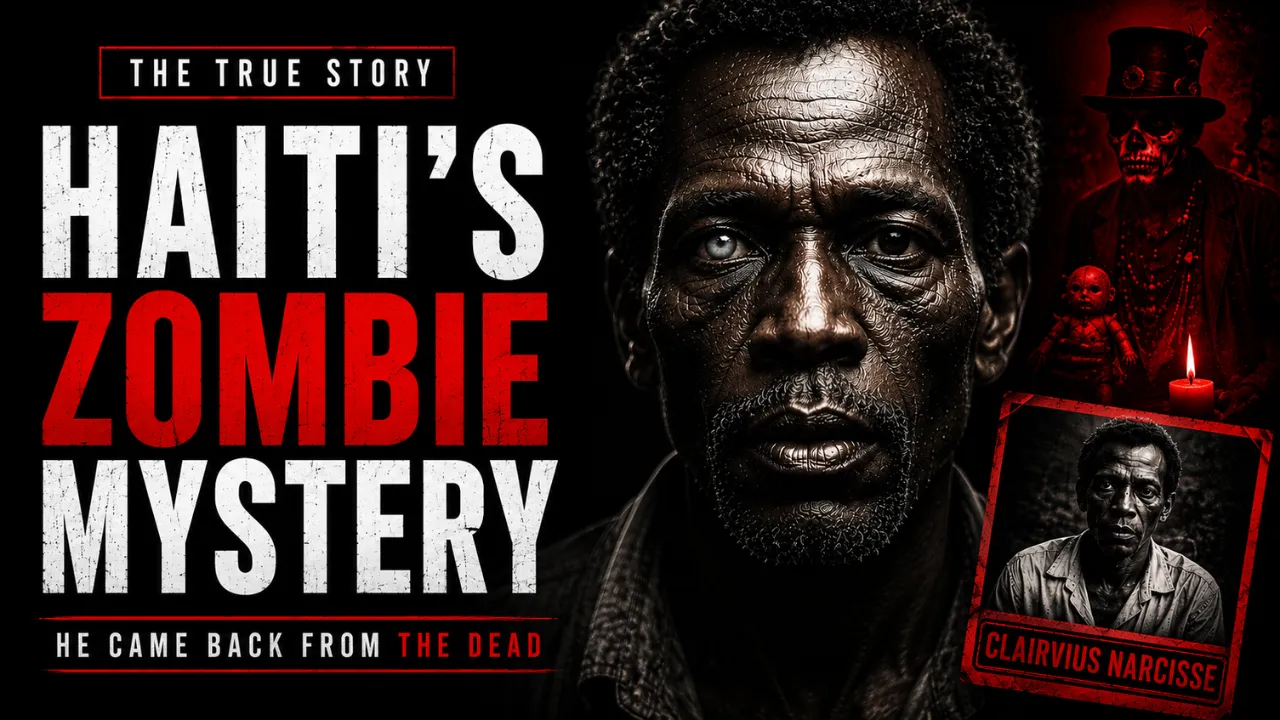
In the 20th century, real cases caught world attention. A Haitian man named Clairvius Narcisse claimed he was declared dead by doctors, buried, and later dug up to work as a slave on a farm. When he reappeared years later, scientists wanted to find out if this mystery was real or a trick.
Researchers studied local remedies and found that Bokors used secret powders made from toxic plants and pufferfish venom. This poison lowered a person heart rate and breathing so much that they appeared dead to others. After burial, the victim was dug up and given mind altering herbs that kept them confused and easy to control.
What seemed like dark magic turned out to be a mix of chemical poisoning, psychological control, and old island traditions. Today, Haiti zombie mystery remains a fascinating mix of real science and cultural storytelling.