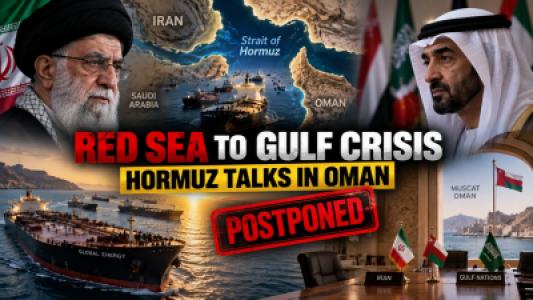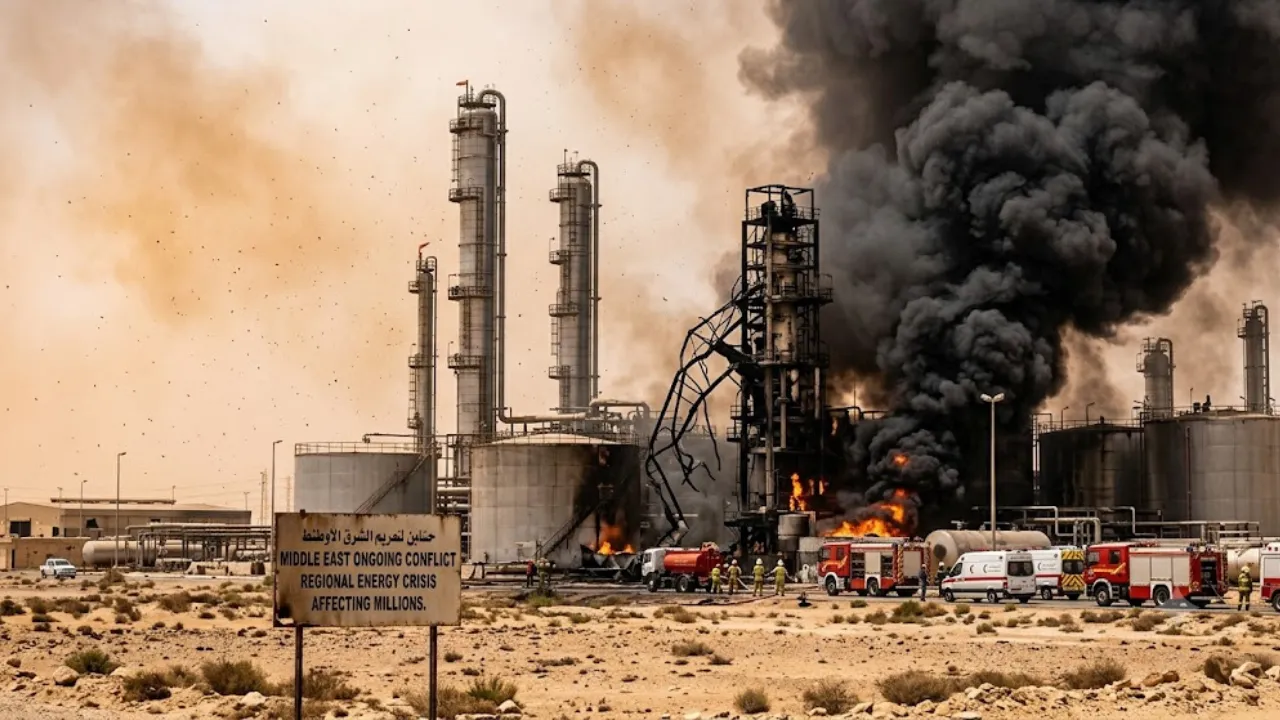
The conflict in the Middle East has been ongoing for five months. It began on February 28 and has caused major problems. Over 90 million citizens in Iran are suffering from decades of heavy economic sanctions and violence.
A memorandum of understanding on June 17 opened a 60 day negotiating period. This brief window allowed international groups to seek a peaceful resolution before the fighting could get worse.
Violence recently increased when the military of Iran attacked strategic United States bases in Kuwait and Bahrain. In response, American forces conducted strikes for 13 consecutive nights until pausing on July 24. Also, militias in Iraq attacked Saudi oil facilities, and the Houthis in Yemen targeted pipelines.
Experts like Amos Hochstein state that the government of Iran has no intention of returning to the old normal. Political expert Alex Vatanka notes that a ceasefire is not a simple switch that can be flipped easily. The nation wants to secure political gains on the battlefield before stopping the fight. These complicated issues mean that any peace deal will require a lot of careful planning. This ongoing crisis creates a massive risk for global energy markets and the safety of neighboring countries.