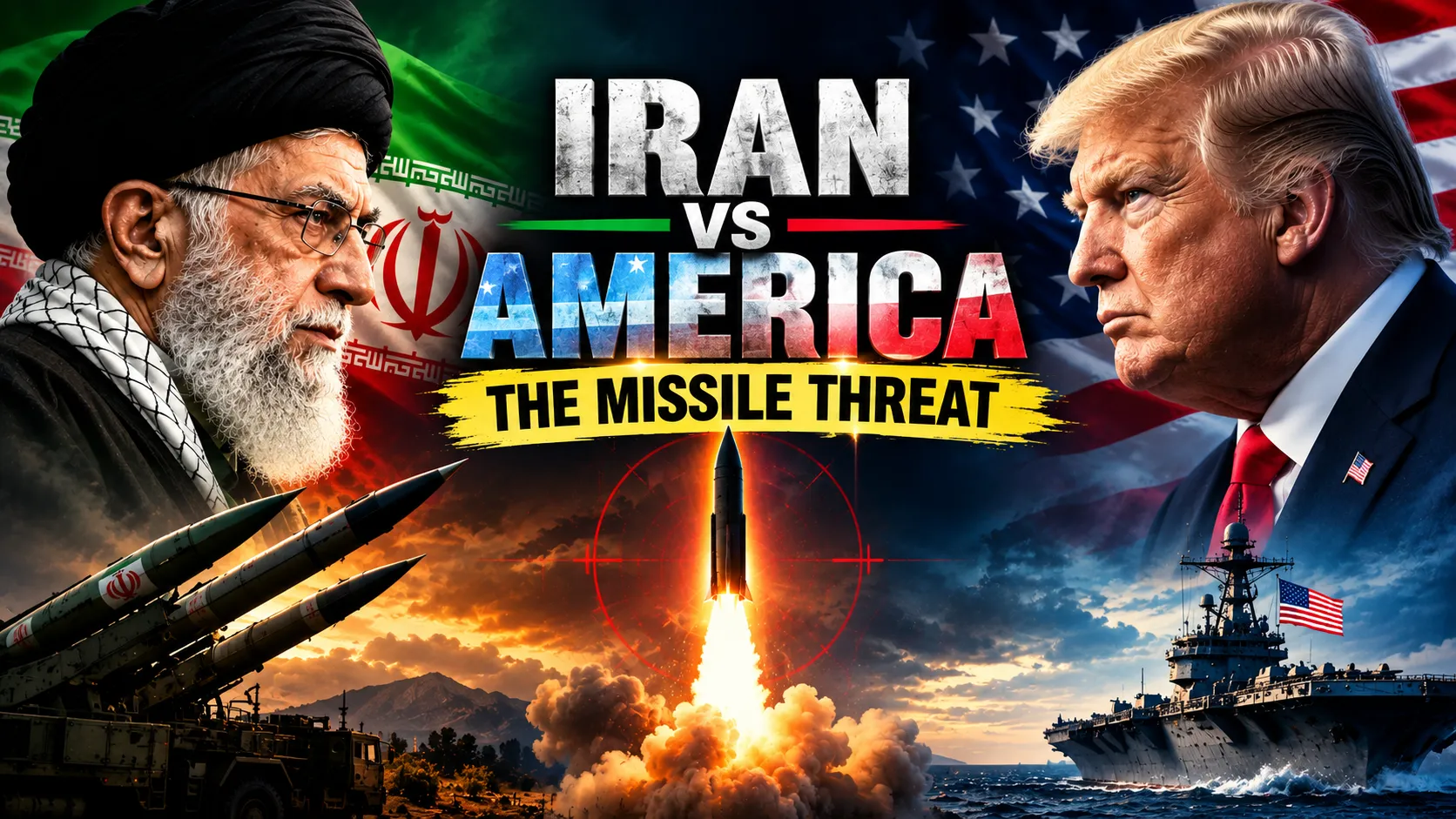
Growing fears over Iran fast expanding ballistic missile arsenal have become the driving force behind urgent attempts by American and Iranian diplomats to negotiate a new security agreement. Security experts warn that Iran advanced long range missiles and drone capabilities pose a direct threat to US military bases, international shipping routes, and key allies across the Middle East. In response, Washington has increased its military presence in the region while simultaneously pushing for strict limits on Tehran weapons program to prevent a dangerous military escalation.
For Tehran, severe Western economic sanctions have heavily damaged its economy. Iranian leaders are using their powerful missile technology as maximum leverage at the bargaining table. They hope to trade caps on missile development and nuclear progress for immediate relief from global trade restrictions.
While regional mediators attempt to bridge the gap between both sides, the core challenge remains deep mistrust. The United States insists on permanent limits on missile range and distribution, whereas Iran demands strong guarantees that any signed deal will be fully respected. With the threat of a full scale conflict hanging over global energy supplies and regional stability, both nations face intense pressure to reach a practical deal before tensions spill over into an uncontrollable war.