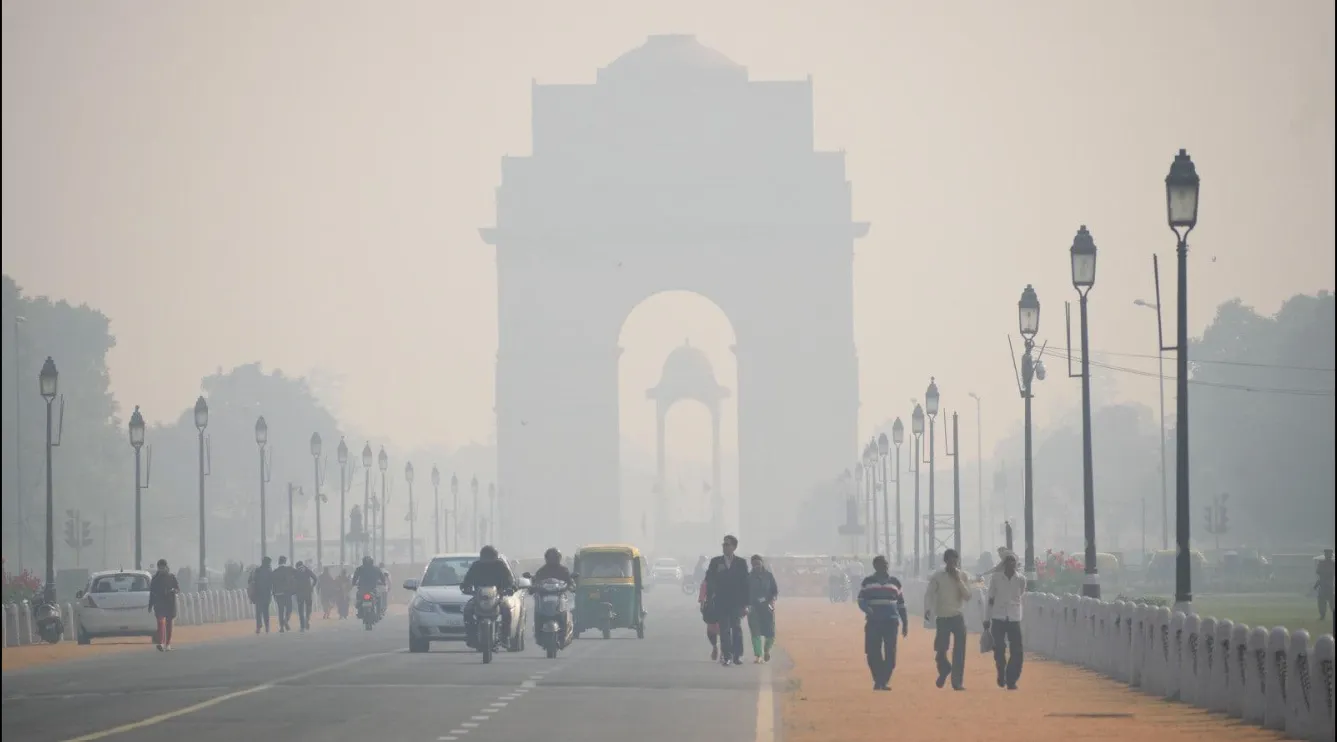
Delhi is once again struggling with rising air pollution after Diwali celebrations. On November 9, 2026, a thick layer of smog covered several parts of the national capital, reducing visibility and raising concerns among residents. According to the Central Pollution Control Board (CPCB), Delhi overall Air Quality Index (AQI) stood at 368 at 7 AM, placing it in the 'Very Poor' category. Several monitoring stations also recorded AQI levels above 400, which falls under the 'Severe' category.
Firecrackers used during Diwali celebrations have added more smoke and fine particles to the atmosphere. However, they are not the only reason behind Delhi pollution problem. Vehicle emissions, construction dust, industrial pollution and stubble burning in neighbouring states also contribute to the deteriorating air quality.
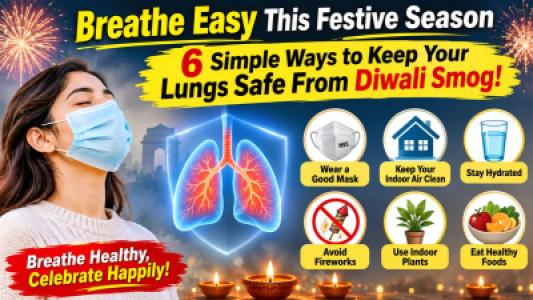
Weather conditions make the situation worse. Low wind speeds and cooler temperatures can trap pollutants close to the ground, allowing smog to remain over the city for longer periods. Poor air quality can cause breathing difficulties, coughing, throat irritation and eye problems. Children, older people and individuals with existing respiratory or heart conditions are particularly vulnerable. Authorities have activated Stage III of the Graded Response Action Plan (GRAP) across Delhi-NCR. Restrictions include stopping certain construction activities and tightening pollution control measures.
Delhi pollution problem cannot be solved through temporary restrictions alone. Better public transport, cleaner energy, dust management, strict vehicle-emission checks and cooperation between neighbouring states are necessary. The post-Diwali smog is another reminder that clean air should not be a seasonal concern. Protecting the environment requires consistent action throughout the year.