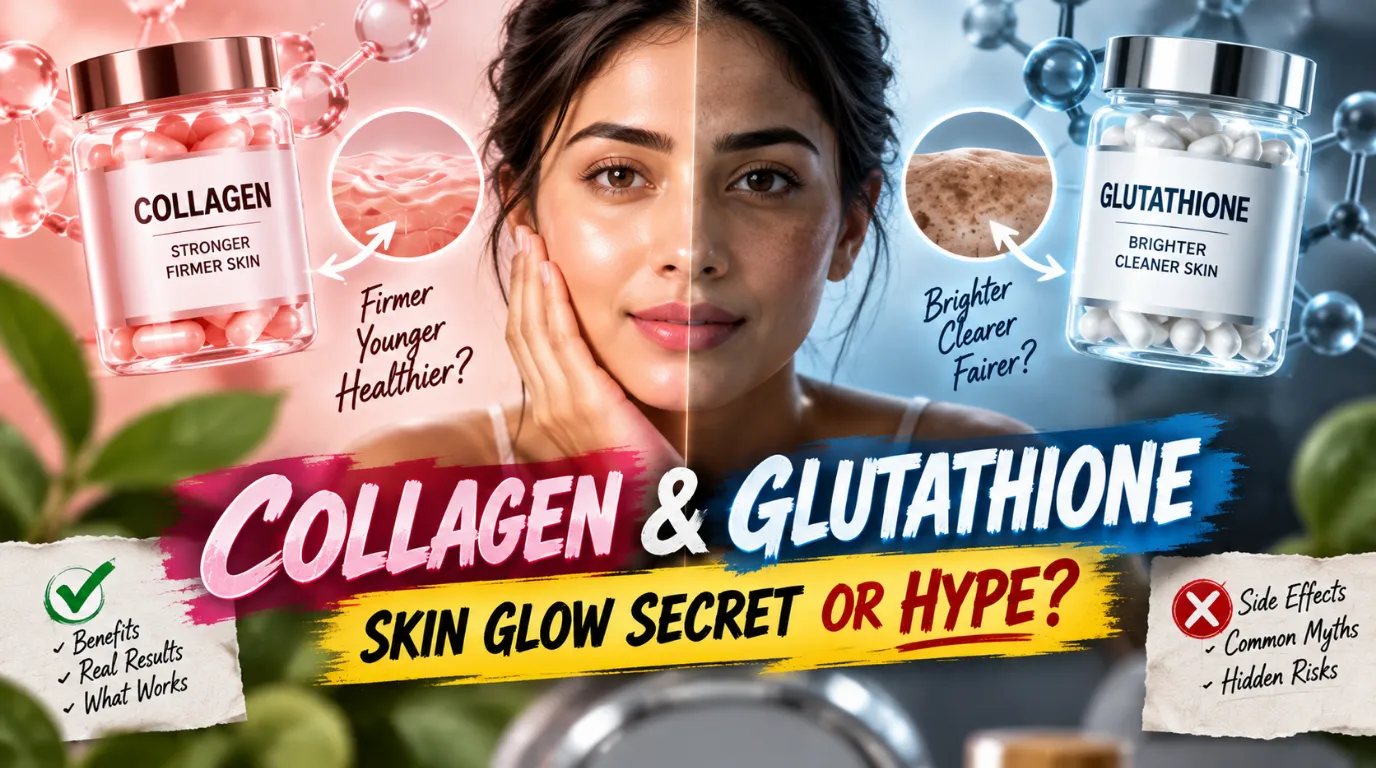
The global wellness and skincare industry routinely presents collagen and glutathione as the ultimate duo for youthful, glowing skin. Collagen is celebrated for restoring structural firmness, while glutathione is promoted as a master antioxidant capable of detoxifying the body and brightening complexions. However, beneath aggressive marketing campaigns lies a complex scientific reality. Understanding how these compounds work, their verified benefits, prevalent myths, and potential drawbacks is essential before incorporating them into a daily health regimen.
The Science Behind How They Work
Collagen is the primary structural protein found in connective tissues, skin, bones, and cartilage. As human bodies age, natural collagen synthesis declines, leading to visible skin sagging and joint wear. Supplementing with hydrolyzed collagen peptides provides amino acids like glycine and proline, which signal the body to support its internal framework. Glutathione, on the other hand, is an antioxidant produced naturally by the liver. It neutralizes free radicals, reduces cellular damage, and plays a role in regulating melanin production by inhibiting the enzyme tyrosinase, which determines skin pigmentation.
The Pros and Benefits
When used correctly, both supplements offer tangible health advantages. Collagen supplementation has been shown to support skin hydration, improve elasticity, and reduce minor joint discomfort associated with aging. Glutathione supports liver detoxification, strengthens the immune system, and helps mitigate oxidative stress caused by environmental pollutants and UV exposure. Together, their antioxidant and structural properties can promote overall cellular health and healthier-looking skin.
The Dark Side, Side Effects, and Cons
Despite their popularity, these supplements carry notable risks when misused. The most alarming concern surrounds intravenous glutathione drips, often marketed for rapid skin lightening. Regulatory health agencies globally have issued warnings against high dose IV glutathione due to severe risks, including thyroid dysfunction, kidney failure, liver toxicity, and potential blood infections. Oral collagen supplements, while generally safer, can cause gastrointestinal discomfort, bloating, or allergic reactions in individuals sensitive to marine or bovine sources. Furthermore, unverified brands may contain hidden fillers or heavy metal contaminants due to lack of strict regulatory oversight.
Common Myths vs. Scientific Reality
The biggest myth surrounding collagen is that consuming it directly replaces lost skin collagen; in reality, the digestive system breaks down collagen into basic amino acids, dispersing them wherever the body needs them most. For glutathione, the myth persists that it acts as a permanent skin-whitening miracle. Science clarifies that glutathione offers temporary hyperpigmentation reduction rather than a permanent change in natural skin tone, and its skin-brightening effects reverse once supplementation stops.