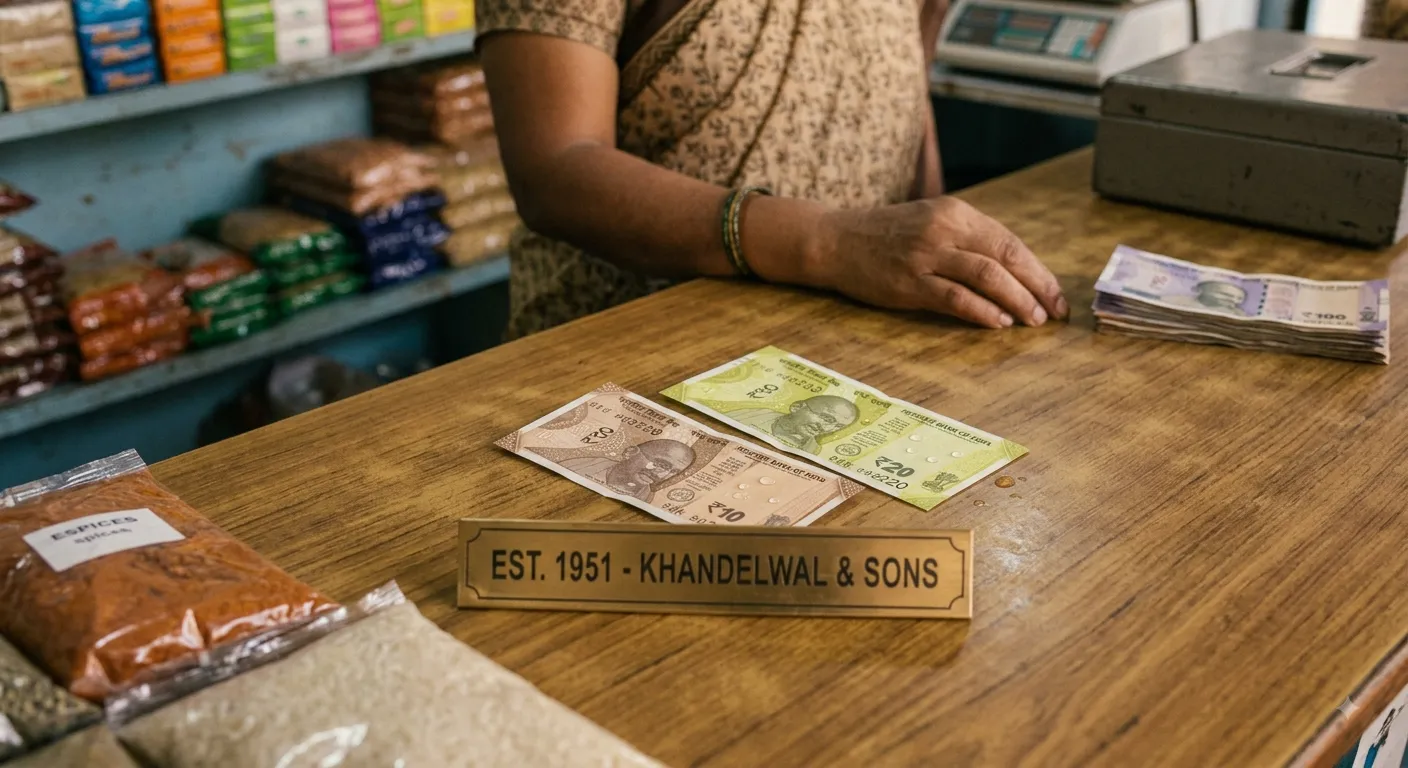
The Reserve Bank of India is getting ready to test new plastic notes in ₹10 and ₹20 denominations across the country. The central government has officially approved the RBI proposal to issue one billion pieces each of these polymer based notes for a nationwide field trial.
If everything goes according to plan, these new plastic notes will start entering daily circulation by the beginning of the next financial year. Currently, Indian currency notes are printed on cotton based paper, which tears or gets dirty quickly. Small notes like ₹10 and ₹20 pass through millions of hands daily, leading to fast damage.
Plastic notes are far more durable than paper cash. They resist water, dirt, and sweat, making them cleaner and harder to fake. International studies show that polymer cash lasts two to four times longer than traditional paper currency. This will help the government save a lot of money on printing and replacing worn out cash.
Many citizens wonder if old paper notes will be banned. The answer is a clear no. Official updates on the Press Information Bureau confirm that existing paper currency remains valid legal tender. Plastic notes will simply circulate together with paper cash during this testing phase. If trials succeed under various Indian weather conditions, polymer notes may soon become a permanent sight in our wallets.