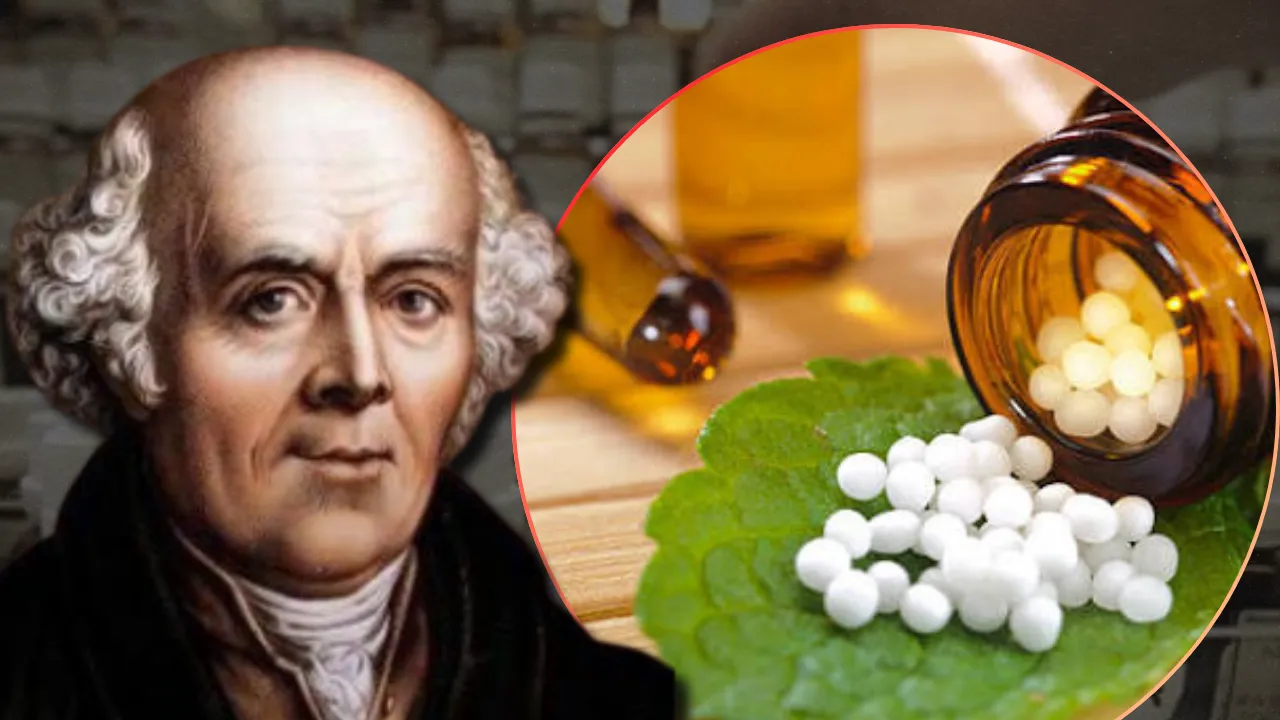
For decades, mainstream science dismissed ultra diluted remedies often used in traditional systems like homeopathy as simple, plain water. According to classical rules of chemistry and Avogadro number, after repeated steps of extreme dilution, not a single molecule of the original active medicine should remain in the final solution. However, recent breakthrough discoveries in physics and nanoscience are now causing global experts to rethink this long standing scientific debate.
Advanced laboratory studies, including groundbreaking research led by top Indian institutions such as IIT Bombay, have detected measurable physical nanoparticles in ultrahigh dilutions. Using state of the art tools like Transmission Electron Microscopy (TEM), scientists found that microscopic particles of starting raw materials such as gold, copper, and zinc actually remain stable in liquid solutions even after thousands of dilution steps.
How does this remarkable process happen , Scientists explain that the traditional mechanical method of repeated vigorous shaking and grinding during drug preparation creates tiny nanoparticles. These particles get trapped inside microscopic water bubbles and interact with silica from glass containers. Instead of disappearing completely, they form a stable concentration of active nanostructures.
At the nanoscale, materials behave completely differently compared to large bulk matter. These ultra small particles show unique electrical, optical, and biological properties that can trigger responses inside human cells.
While skeptics rightly demand more large scale clinical trials to prove actual medical benefits, this physical evidence offers a fresh scientific bridge. The debate is rapidly shifting from empty water remedies to advanced nanomedicine. As nanoscience advances, ultra high dilutions are emerging not as impossible miracles, but as an exciting frontier of modern physical science.