
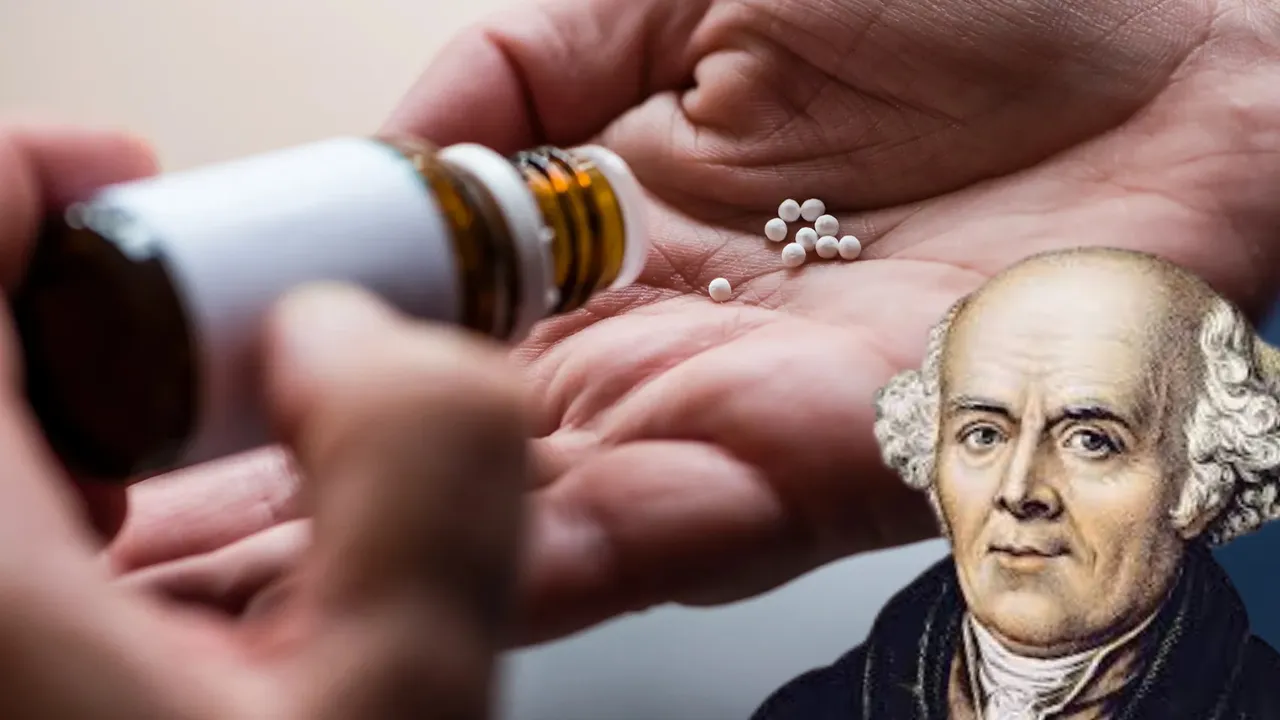
Homeopathy is a very popular system of medicine in India today. Millions of people choose these small white sweet pills when they get sick. But have you ever wondered where this gentle way of treatment actually came from? The story of homeopathy began in Germany during the late 18th century, and it was created by a doctor who wanted to find a safer way to heal people.
Dr. Samuel Hahnemann and the Discovery of "Like Cures Like"
In the late 1700s, standard medical treatments were very painful and dangerous. Doctors often used harmful practices like bloodletting, where they removed a patient blood using blades or leeches to cure illness. A brilliant German doctor named Dr. Christian Friedrich Samuel Hahnemann felt deeply troubled by these unsafe treatments. He believed that medical care should heal people without causing them pain or side effects.
Dr. Hahnemann stopped practicing medicine and started translating medical books into different languages to earn a living. In 1790, while translating a book about Cinchona bark (which was used to treat malaria fever), he read that the bark worked because it was bitter. Hahnemann disagreed with this simple reason and decided to test the bark on himself.
After eating small amounts of the bark, he surprisingly developed fever and chills the exact same symptoms that malaria patients felt. This famous experiment helped him realize a powerful rule "Like Cures Like" (or Similia Similibus Curentur). This means a substance that creates certain disease symptoms in a healthy person can actually cure those same symptoms in a sick person when given in tiny, diluted doses.
Dr. Hahnemann called this system Homeopathy, combining two Greek words: Homeo (meaning similar) and Pathos (meaning suffering). He spent the rest of his life testing natural plants and minerals to build safe remedies. Today, homeopathy has grown into a major healthcare choice across India, offering a gentle path toward complete wellness.